how to choose durable softgood seating for hotel lobby
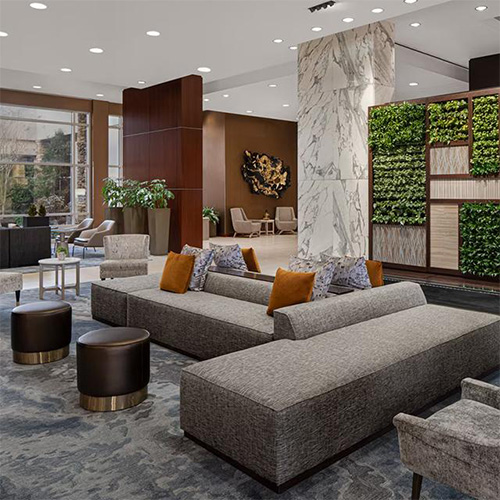
How to Choose Durable Softgood Seating for a Hotel Lobby
Choosing durable softgood seating for a hotel lobby requires more than selecting attractive sofas and lounge chairs. Hotel lobby furniture can experience continuous daily use from guests, visitors, staff, and groups. The right combination of frame construction, cushioning, upholstery, dimensions, and maintenance requirements can help furniture maintain its appearance and functionality over time.
For hotel developers, interior designers, contractors, and FF&E procurement teams, durability should be considered alongside comfort, design, fire-performance requirements, budget, and the overall hotel interior concept.
1. Start with Commercial-Grade Construction
The internal frame is the foundation of upholstered seating. For high-traffic hotel lobbies, look for furniture constructed with appropriate hardwood, engineered wood, plywood, metal reinforcement, or combinations of these materials.
Pay particular attention to joints and structural connection points. Reinforced corners, properly secured joints, and suitable fastening systems can contribute to long-term structural performance.
Large sofas and benches may require additional reinforcement because their wider spans experience repeated loads. Ask the supplier for construction details or technical specifications when evaluating furniture for heavy commercial use.
2. Select Appropriate Cushioning
Cushion construction has a major influence on both comfort and durability. Commercial seating may use high-resilience foam, layered foam, fiber, springs, webbing, or combinations of these materials.
The appropriate cushion density depends on the furniture design and intended use. Very soft cushions can provide a relaxed residential feel, while firmer cushions may be more suitable for guests who need to sit upright, work, or have short conversations.
For hotel lobbies, consider using a mixture of seating types. Deep lounge seating can support relaxation, while more upright chairs can accommodate working and short meetings.
3. Choose Contract-Grade Upholstery
The upholstery is one of the most exposed parts of lobby furniture. Hotel procurement teams should review technical information rather than selecting fabric based solely on appearance.
Depending on the project, useful performance characteristics may include abrasion resistance, stain resistance, cleanability, colorfastness, and resistance to everyday wear.
Options can include performance fabrics, commercial vinyl, faux leather, genuine leather, textured textiles, and other contract upholstery. The best material depends on traffic levels, cleaning procedures, design requirements, and budget.
4. Consider Fire-Performance Requirements
Fire requirements are an important part of hospitality furniture specification. Requirements can vary by country, state, building type, furniture construction, and project specification.
Do not evaluate fire performance based solely on a fabric label. The complete seating assembly—including upholstery, foam, barriers, and other components—may affect the final performance.
Before production, confirm the applicable requirements with the project design team, code consultant, or relevant authority and request appropriate documentation from the supplier.
5. Select Practical Colors and Patterns
Durability is also about maintaining an acceptable appearance. Very light, solid upholstery can make stains and everyday marks more visible, while highly textured or patterned materials may conceal minor signs of use more effectively.
The hotel's interior palette should still guide the selection. Neutral upholstery can provide a long-term foundation, while accent chairs, cushions, or selected sofas can introduce stronger colors.
For high-traffic zones, designers may consider combining different materials and colors to balance aesthetics and maintenance.
6. Evaluate Maintenance and Replacement
Before purchasing hotel lobby seating, understand how the upholstery should be cleaned and maintained. A material that requires specialized cleaning may create additional operating costs.
Removable cushions or replaceable upholstery can also be useful in certain furniture designs. If individual components can be repaired or replaced, the hotel may not need to replace an entire seating unit when one component becomes damaged.
Ask the supplier about replacement cushions, upholstery repair, spare components, and long-term support.
7. Check Dimensions and Ergonomics
A durable sofa is not necessarily suitable if it does not work with the lobby layout. Measure circulation paths, doorways, elevators, columns, reception areas, and other architectural constraints before finalizing furniture dimensions.
Seat height, seat depth, arm height, back angle, and cushion firmness should also be considered. A comfortable lobby often benefits from a combination of lounge seating, upright chairs, sofas, and occasional seating.
8. Request Samples and a Prototype
For larger hotel projects, reviewing physical upholstery and finish samples before mass production can reduce specification errors. A prototype can provide an opportunity to evaluate dimensions, comfort, construction, upholstery, and overall appearance.
For multi-property programs, an approved prototype can become a reference for subsequent production.
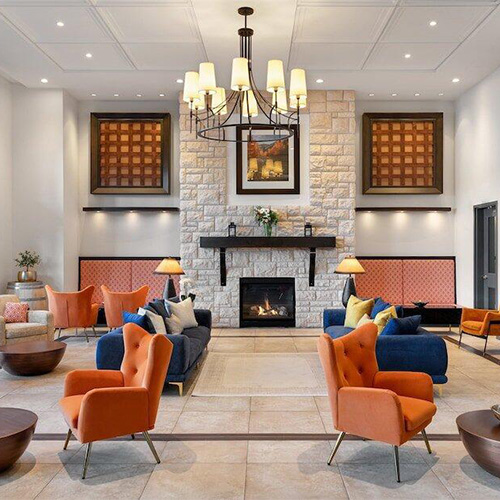
Durable hotel lobby softgood seating requires a balance of structural construction, commercial upholstery, appropriate cushioning, practical dimensions, maintenance considerations, and project-specific performance requirements. By evaluating the complete furniture specification rather than focusing only on appearance or price, hotel developers and FF&E teams can select seating that supports guest comfort while being appropriate for demanding hospitality environments.
Latest News
Contact Us

Mobile: +86-18750258798
E-mail: [email protected]
Add: Unit 6025 Minnan Town A No 350 ChangLe Huli District 361006 Xiamen Fujian Province China





 Mail inquiry